
The 'Andrew Book'
Common as muck

Dear Friend,
Halloween, 2025, I opened the door to the Bookseller Crow bookshop, and the news about Andrew, the prince formally known as, entered with a blast of wind. The previous evening, Buckingham Palace announced it was starting the formal process of stripping Andrew of his royal titles. He would be losing his Windsor mansion following the intense criticism of his friendship with the billionaire child sex offender Jeffrey Epstein. A newsreader on Channel Four, could hardly hide their glee when announcing how now, Andrew, was simply “a commoner.”
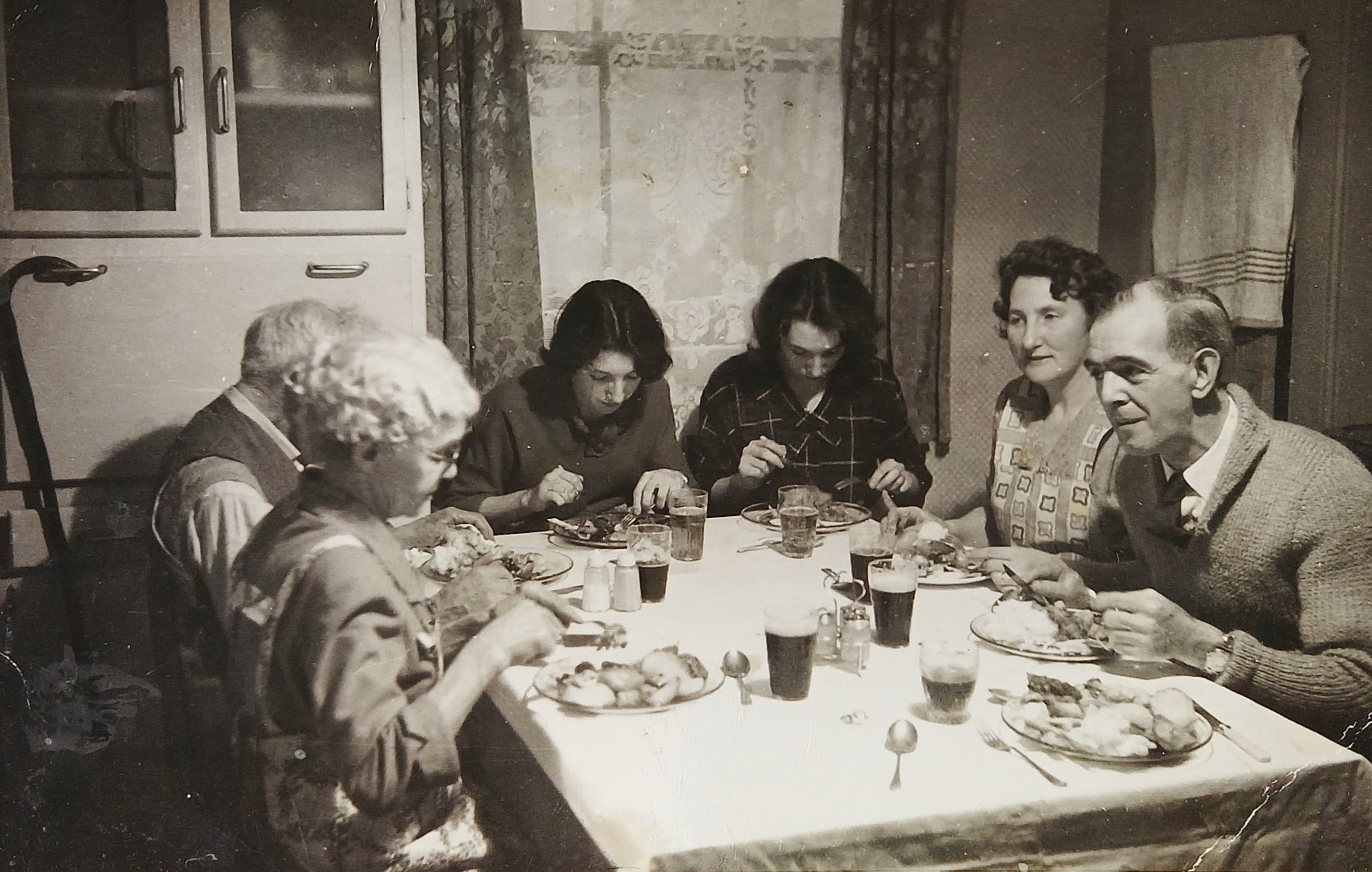
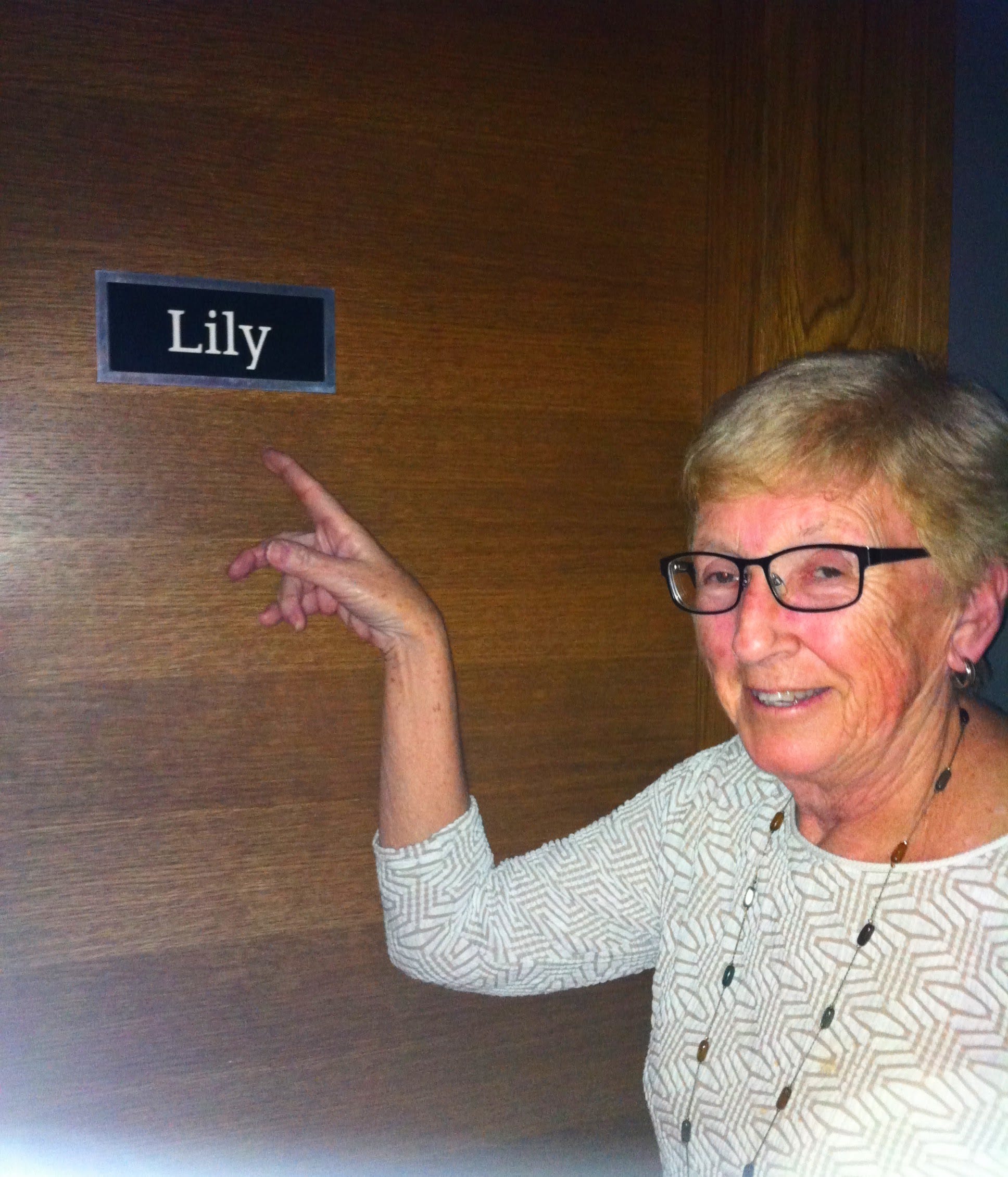
I realised with a strange start, how I have been a “commoner” for fifty-three years without really thinking of myself as one. I’m one of the ordinaries, as opposed to being royalty or aristocracy. Growing up in Penge, and being called common, meant something else entirely for me. As defined by my mum Lily, you were common if you spat in the street, said ‘fuckin’ ell’ or ‘shit’ or even used the word ‘bloody’. You were definitely common if you started rows in front of your children with other women outside Sainsbury’s. Mum was from something called the “respectable working class” which is a term used to describe those that adhere to a specific set of values, often associated with being law-abiding and hard-working. Another definition of Mum’s was people who ate in the street. It was only in Brighton, when on a day out that I was allowed to consume chips from paper, masticating freely in the fresh sea air in full view of other commoners.
The first bookshop customer of the day was a man with a grey face. He smelled of that well known stench from the 20th century, stale cigarette smoke. With one eye larger than the other, he loomed towards me at the counter, as did the barnacle on his nose, magnified intensely by my new varifocals.
‘Have you got the… you know, that Andrew book?’
I do not announce I am going through the menopause, or that I am finding it hard to remember things that once would have jumped off my tongue, quick as a tick.
‘The Andrew book?’ I say.
‘You must know it,’ he said. ‘He’s a horrible man, isn’t he? Disgusting.’
His wife shakes her head, and I sense that the ‘horrible man’ talk has been thoroughly swilled around their mouths with mugs of tea over their cornflakes this morning. I can tell, simply by the urge in their anoraks, they have been busting to come into the public sphere to voice the disgustedness together.

‘The memoir is called Nobody’s Girl,' I say, after looking up the exact title. I add in, so we remember to use her name, ‘By Virginia Guiffre. I’m sorry, it’s out of stock with our suppliers. I would guess it’s reprinting, because of all the coverage.’
The couple stay for a while, talking about the awful state of the world, how the globe is caked in dirt. The rain stops, but the dark cloud is a grey lid. The couple linger, needing to have a place to unpack the news, be somewhere with some bodies. They talk about how they feel sorry for the Queen. They empahsise how they are “not Royalists mind, but still…”
What better place to voice all this than in a bookshop. The community centre cum therapy centre cum champion for creativity of the Triangle in Crystal Palace. It’s one of the few places you can linger and browse and not be made to feel like you have to buy anything. You can be yourself. You can eavesdrop. You can feel that pulsing which art brings to your heart. You can hide, perhaps cry and vent and offload and even laugh. It’s a place to discuss ideas, and sometimes of late, hide from the rain and the falling world outside.
My coffee has now gone cold. The phone rings. I pick up.
‘Hello? I’m wondering if you might have the… ah, you know, the book about the… well, Andrew?’
‘Nobody’s Girl, by Virginia Guiffre? Sorry, I’m afraid we don’t have it in stock today.’
‘Ah, oh, no?’ Silence, while the voice thinks. ‘Well, maybe could you help me then…’
‘I’ll try.’ I take a deep breath in, fetch my pen. I sense what is coming.
‘Do you think another shop might have the book?’ the voice asks, a little sheepishly.
‘Well maybe a WHSmiths, or a chain, a bigger company who would have bought loads of stock before the announcement?’
‘Oh, where’s the nearest WHSmiths these days?’
‘Well, Beckenham, Bromley, or Croydon.’
‘Maybe, then, I wonder… would you be able to do something for me?’
I groan inwardly as a new customer steps up to the till. She watches me, visibly annoyed by the fact that I’m on the phone, perhaps thinking I’m chatting to a lover in Paris, or discussing something un-shop related like how I prefer five prunes with my breakfast. She waits, a birthday card positioned in her hand.
The voice on the phone asks, ‘Would you happen to have the telephone numbers of the WHSmiths?’
Momentarily I’m transported back to mum’s lounge, perching on the disused commode beside her. I am trying to get a prescription for her chest infection, the one which would bring on pneumonia and eventually contribute to her death. I am dabbing ointment on her shoulder while remembering to source better pull up ‘stay dry’ pants, giving everything to her, so she is not alone with it all.
Which brings me to the idea of how good customer service is like being a dutiful daughter, and just the same as being a dutiful air stewardess. “Going above and beyond”, British Airways called it, which now strikes me as a good title for something. All of this is going on inside me while the outside world refuses to stop wanting me to serve them. I am still processing my mum’s death from last December and now there’s my friend Jon’s death too. I am confused as to where one begins and the other ends. I am confused as to where my duty lies, and how much to give to people and how much to hold back.
‘I’m sorry,’ I say to the woman on the phone. ‘I have a customer waiting. Do you have the internet at all? Could you perhaps look up the numbers?’
‘Oh, okay then,’ she says, as if this hadn’t crossed her mind. ‘Thank you for your help.’
From her voice I would have said she was in her seventies. I find out later from a fellow bookseller how, in the olden days, bookshops would have a list of other bookshop numbers by the phone. They’d happily give these out to help someone source their book. Now I feel bad I didn’t give the woman on the phone more. Maybe she was from the thinning strata of society who doesn’t have the internet, just a landline.
Jon, who I still can’t believe is dead, and won’t be reappearing sometime soon - back from a break somewhere - used to spend much of his time researching books on behalf of his customers. If a customer doesn’t know the author, title or indeed real nature of what is inside the book, we booksellers are the ones to narrow it down to a physical object. Even if it is the history of seaweed in the Gower, Jon would have spent time looking, and then if it wasn’t fruitful, said ‘No, I’m sorry.’ Still, I’m not sure if he would have provided phone numbers for all the local branches of WHSmith, but I have a suspicion, because he was kind and the woman sounded alone, he might well have done just that.
With no time for me to worry any further, there is a new woman leaning against the counter. She has long dark scraggy hair, her face pale and harried. Because of my new varifocals she appears to be standing too close.
‘Hello, I was wondering if you could help? I’m looking for a book,’ she says, nervously.
‘You’re in the right place then!’ My quip doesn’t raise a smile.
‘Is there a book about how to use an iPhone 4. You see, I have this phone, and I don’t want to touch it without having some sort of book first. I don’t want to let any of the bad stuff into it.’
‘Let me see,’ I say, wondering why this is happening. Why on certain days everything is less about selling books, more about helping people move on from their peculiar and particular situations.
I suggest there could be a relevant book like ‘iPhones for Dummies’ but I don’t say the word ‘dummies’ very loudly, in case it offends her. She seems eager for anything, and yet the only available edition I can find is for the iPhone 12.
‘Do you have anyone you can ask to help you?’ I say. ‘A friend who might be able to show you the basics?’
I am reminded of when Mum got an iPad because her sister had one. For a while, if you asked her a question, for a laugh, she’d say ‘Google it.’ I’m still unsure she actually knew what this meant. Like most technology she insisted on buying, like the android phone, the iPad was barely used.
‘I do have a friend,’ the woman says. ‘But I don’t like to take liberties.’
‘I’m sure they won’t mind,’ I encourage, and she lets the idea roll around her mind for a bit, before nodding.
‘I’ll ask him,’ she says.
The rain starts to come down hard. The morning isn’t quiet because locals are intent on keeping the shop supported, but the mood through the door feels low. Umbrellas are flopped into the brolly bucket like wet lettuces. It is difficult to look up and find the sky so dark after the long dry summer. The sudden taking of light. Summer slid its patio door shut, and my eyes, behind my new glasses, peer out like a mole tentatively sensing a new path. It took me a while to realise what had changed was not me, but it was the darkness outside.
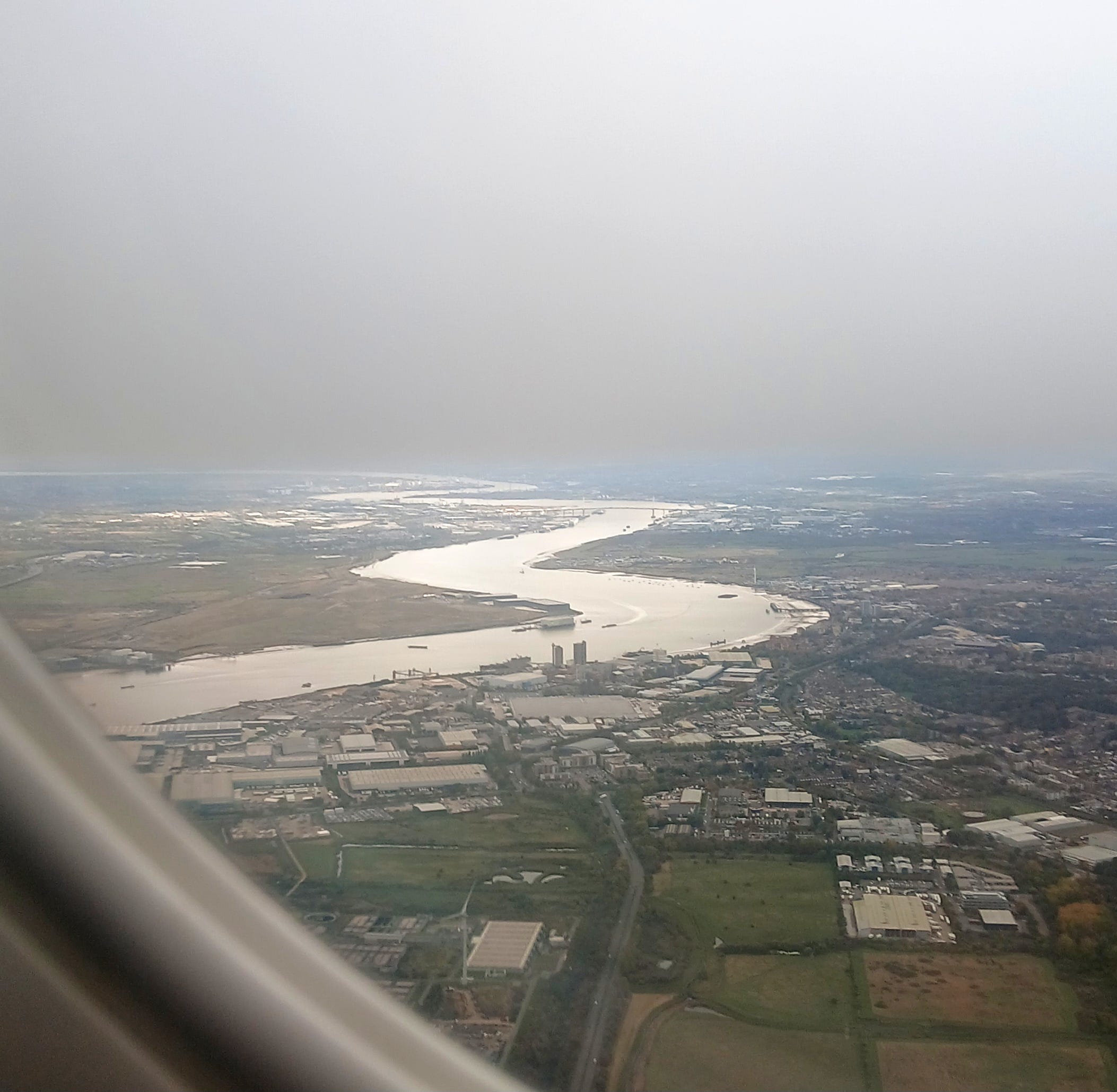
Coming up soon… One final reading event on offer from me this year - Come and see me IN REAL (COMMON) LIFE at the Writeidea Festival. It’s up the East End of London, 22nd November, 2.30pm and I’ll be in conversation with comedian and writer Rosie Wilby. We’ll be discussing my memoir Lifting Off and how, and why, I write from life. We’ll also be taking questions and giving tips on how to shape a narrative from life for the page.
Sat Nov 22, at the Writeidea Festival, The Tower Hamlets Town Hall, Whitechapel. Events will be very popular and they strongly advise booking a ticket in advance.
Keep writing, keep breathing,
Karen xx
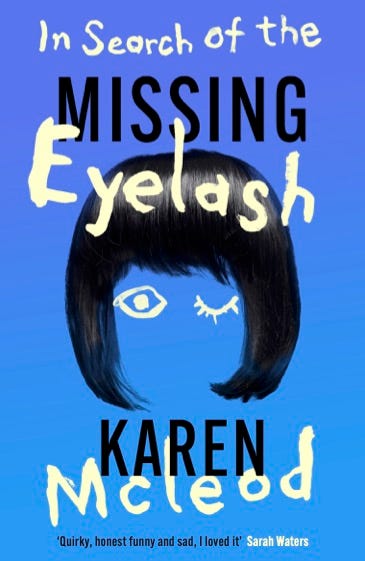
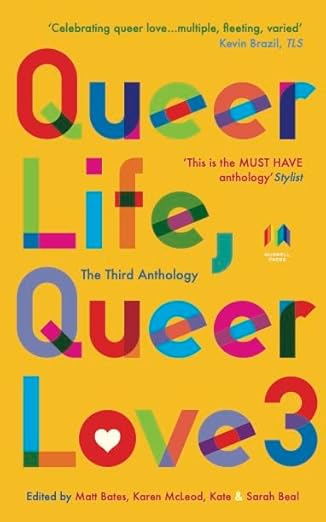
If you would like a personalised copy of Lifting Off or In Search of the Missing Eyelash do order one below from my bookshop, Bookseller Crow on the Hill (I don’t own it by the way!) Also, new out this week is something I’m very proud of — an anthology of new LGBTQ+ writing, Queer Life, Queer Love 3, which I worked on as an editor.

My parents had a gift store and this essay reminds me of the cast of slightly oddball customers who came In regularly, not to buy cards or gifts, but to talk with my dad, and to be seen
Great post, Karen. I love the image of you “masticating freely in the fresh sea air”. A joy to read. Px